choosing hardwood and composite posts that beat summer rot
When summer humidity hits, our mailboxes can take a beating. We’ve all seen those posts that start to look a bit sad, maybe even a little rotten. Choosing the right mailbox post materials is key to avoiding that problem. We want something that looks good and lasts, especially when the weather gets wet and warm. Let’s figure out how to pick mailbox post materials that can handle the heat and the damp without falling apart.
Key Takeaways
- When picking mailbox post materials for damp, warm weather, think about how well they resist rot and decay.
- Some types of hardwood are naturally better at fighting off moisture than others, making them a good choice.
- Composite materials often provide a low-maintenance option that holds up well against the elements, including summer rot.
Selecting Durable Mailbox Post Materials For Humid Climates
Understanding Wood’s Vulnerability To Moisture
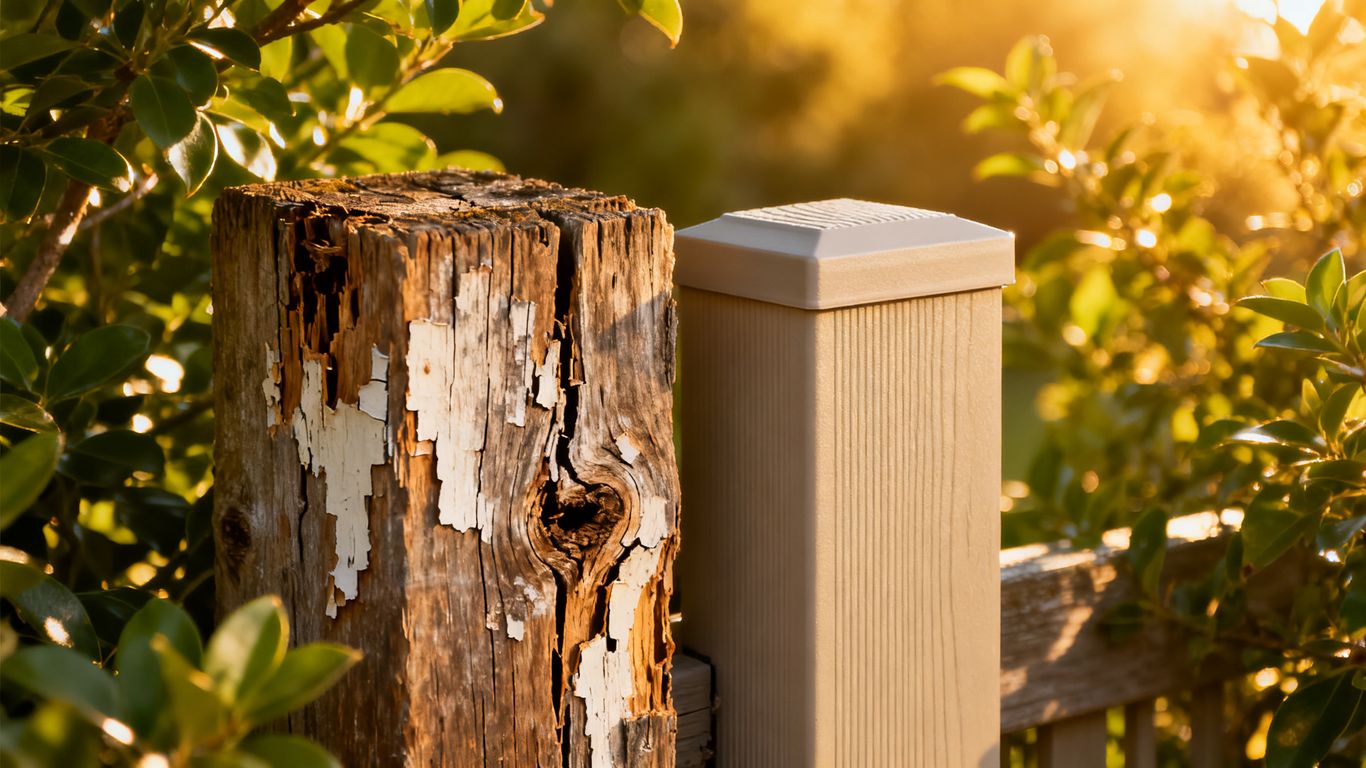
When we think about mailbox posts, especially in places where the air is thick with humidity for much of the year, wood can seem like a natural choice. It looks good, it’s easy to work with, and it’s readily available. However, wood has a big weakness: moisture. In humid climates, wood is constantly absorbing water from the air and the soil it’s planted in. This constant dampness is a breeding ground for rot and decay.
Think about it – wood is organic material. When it stays wet for too long, fungi and bacteria that cause rot start to break it down. This process weakens the wood, making it soft, crumbly, and eventually, unable to support your mailbox. We’ve seen posts that looked fine on the outside but were completely rotten inside. The key is to pick wood types that naturally resist this breakdown or to treat standard wood properly.
Here are some things to watch out for with wood in damp areas:
- Swelling and Shrinking: Wood expands when it absorbs water and shrinks when it dries out. This constant movement can cause cracks and splits, opening the door for more moisture and rot.
- Insect Infestation: Damp wood is also more attractive to certain insects, like termites, which can further damage the post.
- Surface Mold and Mildew: Even if the wood isn’t rotting through, you’ll likely see mold and mildew growth on the surface, which isn’t very appealing.
We’ve learned that not all wood is created equal when it comes to fighting off the effects of constant dampness. Some types are just naturally better equipped to handle it.
Evaluating Composite Options For Longevity
Composite materials have really changed the game for outdoor projects. They’re made from a mix of wood fibers and plastics, and they’re designed to be tough. For mailbox posts, composites offer a compelling alternative to traditional wood, especially when we’re trying to avoid the headaches of rot.
One of the biggest pluses is their resistance to moisture. Because they contain plastic, they don’t absorb water the way wood does. This means they’re far less likely to swell, shrink, crack, or rot. You won’t have to worry about fungi or insects attacking them either. They’re pretty much inert to those kinds of problems.
When looking at composites, consider these points:
- Low Maintenance: Forget about regular staining or sealing. Most composite posts just need an occasional wash to keep them looking good.
- Durability: They hold up well against weather, including sun, rain, and temperature changes, without degrading quickly.
- Consistency: Unlike wood, which can have knots or variations in strength, composites are generally uniform.
We’ve found that while the initial cost might be a bit higher for some composites, the long-term savings in maintenance and replacement make them a smart investment for humid climates. They really do offer a way to get a sturdy, good-looking mailbox post that won’t give you trouble year after year.
Best Mailbox Post Materials To Withstand Summer Rot
When summer heat and humidity roll in, our mailbox posts can really take a beating. We’ve found that picking the right material from the start makes a huge difference in how long it lasts without succumbing to rot. It’s not just about looks; it’s about durability.
Choosing Rot-Resistant Hardwood Varieties
Not all wood is created equal when it comes to fighting off decay. Some hardwoods naturally have properties that make them much tougher against moisture and the fungi that cause rot. We’ve seen good results with certain types.
- Cedar: This is a popular choice for a reason. It has natural oils that repel insects and resist rot. It’s lighter than some other hardwoods, making it easier to work with.
- Redwood: Similar to cedar, redwood contains tannins that give it a natural defense against decay and pests. It’s beautiful but can be more expensive.
- Cypress: Found in wetter regions, cypress has developed a strong resistance to rot and insects. It holds up well in damp conditions.
When selecting hardwood, look for pieces that are properly dried. Wood that’s still wet can be more prone to issues down the line. We also recommend treating the wood, even rot-resistant types, with a good quality sealant or stain. This adds another layer of protection.
Even naturally resistant woods benefit from extra care. A little effort upfront can save you a lot of trouble later when rot starts to set in.
Benefits Of Advanced Composite Mailbox Posts
Composite materials have really come a long way. They’re engineered to handle tough weather, and for mailbox posts, they offer some serious advantages over traditional wood, especially when we’re talking about beating summer rot.
- Moisture Resistance: Composites are typically made from a mix of plastic and wood fibers, but the plastic component makes them almost entirely waterproof. This means they won’t absorb water and swell, crack, or rot like wood can.
- Low Maintenance: Forget about staining or sealing every year. Composite posts just need an occasional wash to keep them looking good. They don’t splinter, warp, or fade as easily as wood.
- Durability: These posts are built to last. They can withstand extreme temperatures, UV rays, and constant exposure to the elements without degrading. This makes them an excellent long-term investment for your property.
We’ve seen composite posts stand strong for years in areas where wood posts would have needed replacing multiple times. If you’re looking for a set-it-and-forget-it solution that laughs in the face of humidity, composite is definitely worth a serious look.
Wrapping Up Our Post Talk
So, we’ve looked at different ways to pick posts that won’t fall apart when the summer heat and rain hit. Whether you’re leaning towards the natural look of certain hardwoods or the low-maintenance side of composites, the main thing is to pick something that fits your project and your climate. Doing a little homework now means fewer headaches later, and your fence or deck will look good for years to come. We hope this helps you make a solid choice for your next build.
Frequently Asked Questions
What is the best type of wood for a mailbox post in humid weather?
We recommend using hardwoods like cedar or redwood because they naturally resist rot and can handle wet summers better than softer woods.
Are composite mailbox posts stronger than wood ones?
Composite posts are often stronger and last longer than wood, especially in wet climates. They do not rot or warp, making them a good choice for durability.
How can we make our wooden mailbox post last longer?
To help a wooden post last longer, we should treat it with a waterproof sealant and make sure it does not sit in water. Regular checks and cleaning also help prevent rot.